



The Charlotte Harbor Gulf Island Coast is a bird watcher’s paradise. With seven sections of the Great Florida Birding and Wildlife Trail within the area, you will find some of the best birdwatching in Florida.
Here are a few birding hotspots and some of the species you can expect to find:
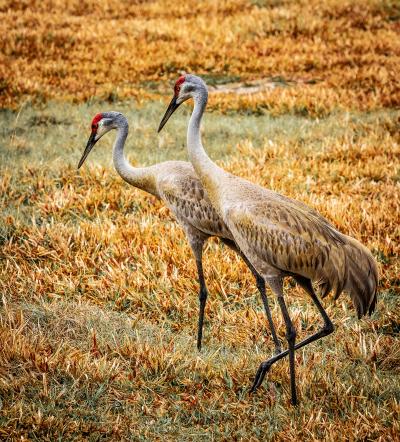 Charlotte Flatwoods Environmental Park is a 487-acre park comprised of several varieties of pine trees, dry prairie, and wetlands. It is an important wildlife corridor and adjoins the Babcock/Webb Wildlife Management Area.
Sandhill Cranes, a protected species in Florida, gather in this park alongside many other wading birds. It's also home to a wide variety of species, including Great Horned Owls and Bald Eagles. You'll also see sparrows, warblers, American Kestrels, Yellow-bellied Sapsuckers and maybe even a Red-cockaded Woodpecker.
A diversity of reptiles and amphibians can be observed in and around the wetlands. Keep your eyes open for bobcats, otters, turkeys and deer within the park.
Visit from March to November to catch migratory birds. It’s best to bring a hat, water and binoculars on your birding adventures.
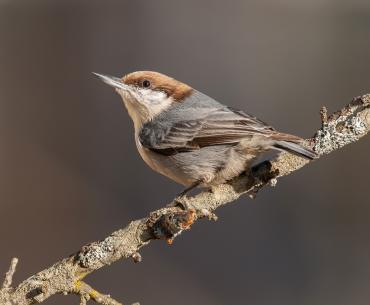
The Fred C. Babcock/Cecil M. Webb Wildlife Management Area is one of the last undeveloped expanses of wet pine flatwoods in Southwest Florida.
Explore this area for a chance to see Brown-headed Nuthatches, American and Least Bitterns, King Rails, Sandhill Cranes, Wood Storks, wild turkeys and Sedge Wrens. This area s also home to birds of prey, including Peregrine Falcons, Bald Eagles and Burrowing Owls.
Visit in the spring for a chance to see the Bachman’s Sparrow during its nesting time, and if you’re lucky, the elusive Red-cockaded Woodpecker. This area offers several birding areas so nake a day of it and pack a picnic.
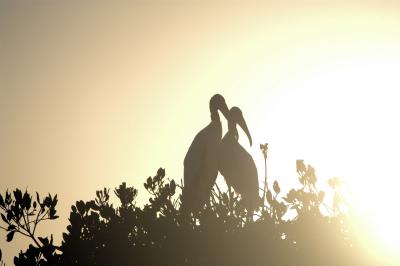 Alligator Creek Preserve is located in the Punta Gorda branch of the Charlotte Harbor Environmental Center and is part of the 45,000-acre Charlotte Harbor Preserve State Park. It features over 4 miles of hiking trails and is one of the closest birding sites to Downtown Punta Gorda.
You’re likely to see Downy and Red-bellied Woodpeckers, and sparrows, warblers and flycatchers along the flatwoods trail. In the marsh and hammock loop, look for wrens, vireos, Belted Kingfishers, Wood Storks, and Dabbling Ducks come winter.
Don't skip a visit to the Ron Mills Bird Blind. Check out the books and pamphlets for every level of birder, a sightings board and even binoculars to get close-up views through the picture window.
Visit from October to April, when the Caniff Welcome Center is open. Guided tours are offered Monday through Friday at 9 am, from November through April.
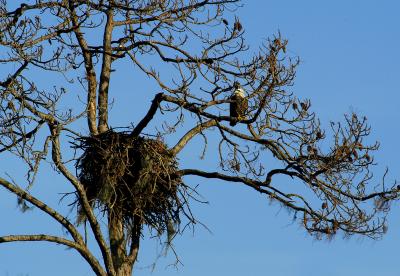 Cedar Point Environmental Park is a 115-acre Charlotte County Park and the Englewood branch of the Charlotte Harbor Environmental Center. It features a visitor center with animal ambassadors and five miles of trails, including an ADA-accessible portion.
Cedar Point Environmental Park is an established Bald Eagle nesting site, so trails may be closed from October through May to protect the nests. Any closures will be clearly marked and must be respected.
This park also attracts Snowy Egrets, Great Blue Herons, Killdeer, Rufous-sided Towhees and Mockingbirds all year. Common Loons and bay ducks visit during the winter.
Free guided walks usually take place from November to April at 9:00 am on Mondays, Wednesdays and Saturdays and registration is required: call 941.475.0769.
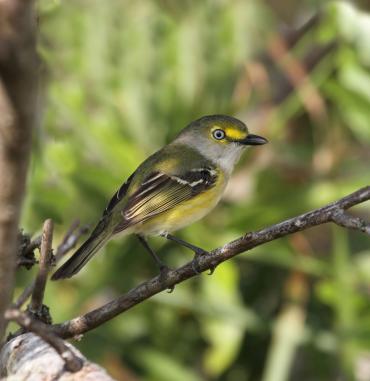
At over 45,000 acres, the Charlotte Harbor Preserve State Park is the third-largest Florida State Park. There, visitors can see a plethora of fascinating birds, including Red-shouldered Hawks, White-eyed Vireos and Screech and Great Horned Owls.
The park protects over 100 miles of shoreline and features extensive shallow wetlands. It is a great place to paddle in perfect solitude while spying Wood Storks, Green Herons and ibis, both the White and Glossy varieties.
Due to its remote areas, the Florida State Park rangers recommend visitors bring a compass, a map and plenty of water. For a more accessible location, visit the Charlotte Harbor Environmental Center.
Located west of Port Charlotte, the 380-acre Tippecanoe Environmental Preserve features oak scrub, salt marshes and mangrove swamps.
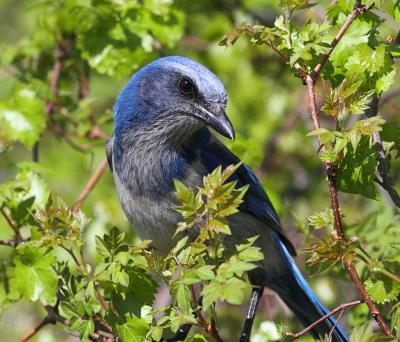 The central lake in the Tippecanoe Environmental Park attracts Common Moorhens and Mottled Ducks, while the tidal creeks bring in Black-necked Stilts, ibis and other wading birds. In total, 130 species have been spotted at this location.
Look carefully in the flatwoods and scrub habitats for Florida Scrub-Jays and Prairie Warblers to check off your life list. Also keep an eye out for Northern Bobwhites, Common Gallinules, Common Ground Doves, Pine and Prairie Warblers, Red-headed Woodpeckers and occasionally, a King Rail.
Visit in the quieter morning hours in winter and early spring.
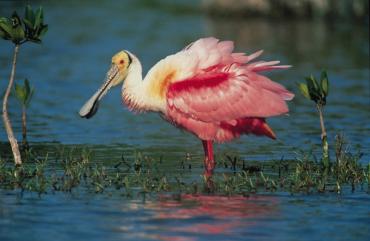
The Ann & Chuck Dever Memorial Regional Park protects two significant wetlands. With 120 acres of land, birders might spot Glossy Ibis, Roseate Spoonbills and Snowy Egrets, to name just a few species.
The two observation platforms on Lemon Lake are best for enjoying the amazing variety of birds that inhabit the lake and the surrounding areas.
The Oyster Creek Waterfront Trail connects the Ann & Chuck Dever Park with Cedar Point for an extended walk. The best time to visit is in the morning hours during the winter.
Regardless of your birding experience, getting out to observe and enjoy birds of all feathers is a tremendous way to spend some time, naturally!


