


Present-Day Conservation for the Future
In Florida, water is our greatest and most valuable resource. Not only does it support our biodiverse lands and wildlife, it gives us a place to explore, to learn, to relax, and to refresh. Visitors from around the world are drawn to our beaches and our boating, and fishing opportunities, which factors into a healthy economy for local businesses.
When something is this important, it’s imperative that we appreciate and take care of it.
Respecting the natural resources we enjoy and leaving them better than we found them is the key to sustainability, which in turn will allow future generations to experience the same sense of wonder when exploring Punta Gorda/Englewood Beach. Step off on the right foot by learning more about the area, here.
What Responsible Travel Looks Like in Punta Gorda/Englewood Beach
Responsible travel here isn’t abstract, it’s tied directly to our coastal environment, wildlife, and local communities. When visiting, it simply means being mindful of how your choices affect the places you’re enjoying.
In Punta Gorda/Englewood Beach, that looks like:
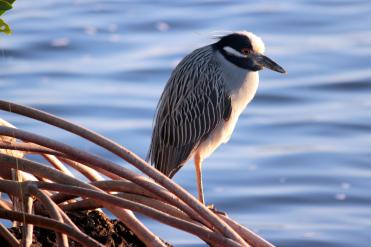 Protecting Charlotte Harbor’s waterways and seagrass habitats by disposing of waste properly and by not disturbing the animals or the ecosystem.
- Respecting wildlife viewing guidelines, especially around manatees, shorebirds, and other native species.
- Supporting locally owned restaurants, shops, and tour operators in Punta Gorda, Port Charlotte, and Englewood Beach.
- Following posted rules in parks, beaches, and preserves to help maintain these sensitive coastal ecosystems.
Easy Ways to Make Your Vacation More Sustainable
Here are some easy ways to have a sustainable Florida vacation, which not only feels great but helps preserve the beauty of this place for all, including future generations:
-
Bring a reusable water bottle or tumbler.
Many restaurants, bars, and coffee shops are happy to fill your reusable beverage container. With brands like Stanley, YETI, and Tervis, there are many styles and colors to choose from.
-
Go straw-less.
Single-use plastics such as straws, cups, and plastic utensils often end up in the oceans where they negatively impact the sea life and ecosystem. Many waterfront establishments won’t provide a straw unless requested. If you must use a straw, try bringing one of the reusable kind.
-
Pack in, pack out.
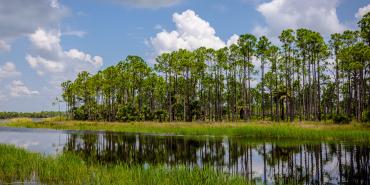 Whether beaching, boating, hiking, biking, or camping, be sure to clean up your trash when you leave and dispose of it properly. As they say: take nothing but photos and leave nothing but foot prints. Litter is not only a detriment to the environment and the wildlife, it ruins beautiful views. No one wants to visit a natural area and see trash.
-
Fish responsibly.
As any angler knows, line-breaks and re-rigging are inevitable. Stash fishing line scraps and worn-out soft baits in a safe place until you can recycle them. Don’t toss them overboard where they can harm marine life and birds. Many boat ramps offer fishing line disposal receptacles.
-
Opt for reusable shopping bags.
Bring your bags when shopping or, if you forget, most grocery stores offer reusable bags with fun designs for sale at the checkout. If you don't want to purchase a bag, opt for paper bags instead of plastic.
You can also find reusable mesh produce nets online. It's also very satisfying to knit, crochet, or sew your own bags or nets. Make up your own design or follow an online tutorial.
-
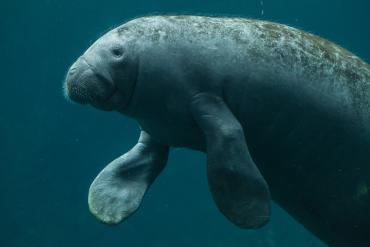 Avoid feeding or touching wildlife.
All too often, humans can't resist touching friendly manatees or feel they're being kind by throwing food to an alligator, or think it's not a big deal when a dolphin eats a freshly released fish. However, these actions can be dangerous for both wildlife and people.
Wild animals that become habituated to humans lose the natural wariness that helps keep them safe. If they begin to rely on food from people, their natural hunting behaviors can also change. A dolphin that gets used to easy meals from anglers may start seeking them out whenever people are fishing—a situation that's more common than many visitors realize.
When it comes to wildlife, observe from a respectful distance, take photographs, and leave the feeding to nature.
Easy and Responsible Travel Wins During Your Visit
Small choices can make a big difference during your stay in Punta Gorda/Englewood Beach. Here are a few simple ways to travel more responsibly while still enjoying everything the area has to offer:
- Book eco-friendly tours such as guided paddleboard experiences with SUP Englewood, wildlife excursions along the Peace River with Wilderness Boat Tours, or a fun excursion with Babcock Ranch Eco-Tours.
- If it fits your schedule, visit parks, preserves, and beaches during off-peak hours to reduce environmental impact.
- Use reef-safe sunscreen when spending time on the water or at the beach. Note that many fishing charter captains do not allow spray-on sunscreens.
 Boating is a popular way to experience the region, with rentals readily available. Be sure to follow navigation rules and wake limits, and avoid sensitive shallow areas to help protect marine habitats.
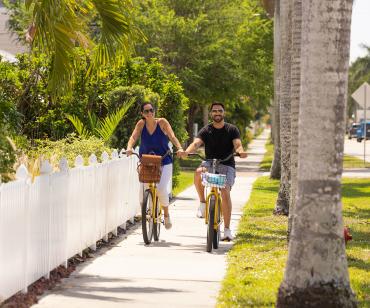
- Choose walkable or bikeable experiences when possible. Take advantage of the Free Loaner Bike Program in downtown Punta Gorda or rent a bike in Englewood through Allure Boat Rentals.
- Visit the Flavor Coast site to explore the people and stories behind local restaurants. Each geographical area includes three featured spots, making it easy to discover something new.
By making thoughtful choices during your visit, you're helping preserve the places, wildlife, and experiences that make this area special for today's visitors and future generations alike. When you’re ready for a nature-friendly vacation, come on down to Punta Gorda/Englewood Beach!