


Each spring, warmer waters and baitfish schools return to Charlotte Harbor, bringing the estuary to life with some of Florida’s most sought-after species, including tarpon, snook, redfish, and spotted seatrout. Find more detail about and proven tips for catching these fish—and a few other iconic species—in our Top Species to Catch in Charlotte Harbor post. Our Fishing Forecast pages are also a great reference for which species to target during a given month of the year, in both Charlotte Harbor and the Gulf.
Below is everything else you need to know about fishing in Charlotte Harbor. We’ve also included an at-a-glance look at the Florida Fish and Wildlife Conservation Commission (FWC) regulations for the season, so every angler can help protect this precious ecosystem while enjoying its fruits.
 Return of the Silver King
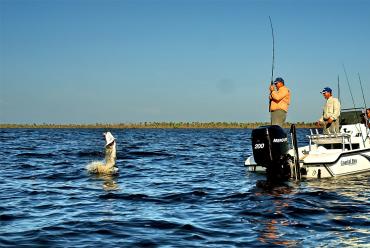
By late April and into May, Tarpon begin to migrate into Charlotte Harbor. Known as the “Silver King,” these powerful fish draw anglers from across the globe for their explosive jumps and legendary fights. Few angling experiences rival the moment a hundred-pound tarpon launches skyward against a Gulf Coast sunrise, testing both strength and stamina.
Reel in Red Drum
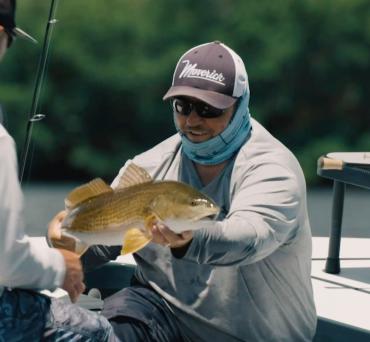
Red Drum (Redfish), with their copper sheen and distinctive tail spot, thrive in the harbor’s grass flats and oyster-studded shallows. This species provides excellent opportunities for legal harvest when within the FWC’s slot size limits, making it a top target for light-tackle anglers.
Sneak a Snook
 Be sure to catch open season for snook between March 1 and April 30, when they move out from their winter haunts, becoming more aggressive around mangrove shorelines. Outside of this window, any snook caught is for photos rather than fillets, limited to one fish per angler per day.
The Seatrout Bite
Spotted seatrout are abundant on the grass flats and are a favorite for anglers of all skill levels. Their willingness to strike topwater lures at dawn or live shrimp under a popping cork makes them an accessible yet exciting target. Also look out for larger “gator trout” that prowl the deeper edges of flats and channels.
Tips for Visiting Anglers
-
Book a charter: The best way to experience Charlotte Harbor’s fishery is on a charter. Charter captains in Englewood, FL, will not only handle licensing and tackle but also ensure adherence to regulations—book in advance, as spots fill up quickly. Check out your Charter options here.
-
Bring light to medium tackle: Spinning gear with 10–20 lb test is ideal for redfish, snook, and seatrout, while heavier setups are necessary for tarpon.
-
 Match the hatch: Spring baitfish include pilchards, threadfin herring, and mullet. Live bait is effective, although artificial lures, such as paddle-tail jigs and topwater plugs, also produce results.
 -
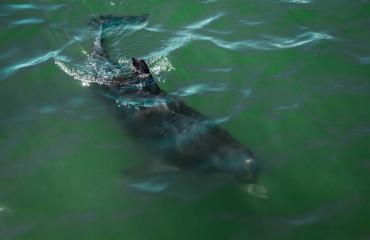
Move on if dolphins arrive: If dolphins show up while you're reeling in fish, it’s time to change locations. They can become habituated to fishing boats, which puts them at risk for propeller strikes or gear entanglement, and they'll also gladly steal your catch right off the hook. Protecting the wildlife means knowing when to find a new spot. Read about a first time angler's experience with a pushy dolphin here.
-
Respect the regulations: Always check the latest FWC guidelines before your trip. Slot sizes, bag limits, and seasonal closures are strictly enforced.
FWC Spring Species Quick Reference
These rules apply to fishing in Englewood, Florida, and Charlotte Harbor during the Spring season, but rules can change so always confirm with FWC before fishing.
|
Species |
Spring Season Status |
Slot Limit |
Bag Limit |
| Tarpon | Catch-and-release only. | No size limit, but fish over 40 inches must remain in the water. | Zero unless pursuing a state or world record with a purchased tag, limit 1 per year. |
| Snook | Open Mar 1–Apr 30. Closes for summer spawning on May 1 |
28–33 inches total length | 1 fish per person per day |
| Red Drum (Redfish) |
Open year-round | 18–27 inches total length | 1 fish per person per day, with a 2 fish vessel limit |
| Spotted Seatrout | Open year-round in the Charlotte Harbor |
15–19 inches total length | 3 fish per person per day; 1 fish over 19" per vessel is allowed |
Once back on dry land, Punta Gorda and Englewood Beach are packed with eateries where you can keep enjoying the sea’s bounty. Check out the best seafood restaurants here and find a restaurant that will cook your catch here.
See you out there!