

May is one of the best months to fish this stretch of southwest Florida, and 2026 is shaping up to deliver on that promise. Water temperatures should be climbing into the low 80s, bait will be moving hard, and the fishery is set to split into two distinct stories: the Gulf side lighting up for nearshore action and Charlotte Harbor entering its prime tarpon and snook season. Here's what you need to know before you launch:
The Gulf
Expect the spring mackerel run to be in full swing on the Gulf side by May. Spanish mackerel concentrate near bait schools and reef edges, while king mackerel, mangrove snapper, cobia, and occasional permit round out the nearshore menu around artificial reefs, wrecks, and hard-bottom structure.
Water temps in the Englewood area are expected to hit around 80 degrees. Shark fishing is especially productive in 30 to 50 feet, and anglers willing to run farther offshore into deeper water can find mixed reef species on the bottom. For bait, you're looking at pilchards, threadfins, pinfish, live shrimp, and cut bait — the same live bait staples that work year-round but with extra effectiveness when fish are keyed in on moving bait schools.
Cobia are worth targeting deliberately in May. They tend to patrol the same productive zones as Spanish mackerel and sharks, often shadowing rays or holding near structure. Keep a ready rod rigged with a jig or live pinfish, because these fish rarely give you a second chance.
Check MyFWC.com for specifics of the opening of Amberjack season. These hard-pulling fish are usually swirling around wrecks and reefs starting in about 75 feet of water.
Charlotte Harbor
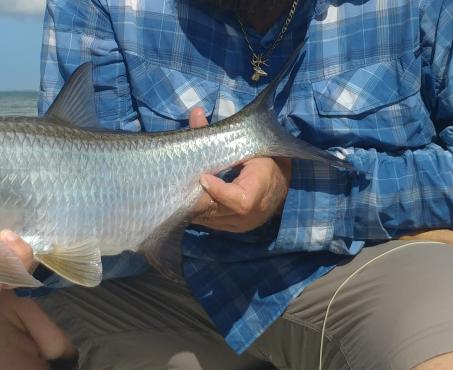
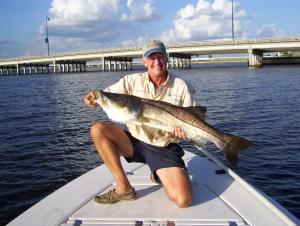 Charlotte Harbor in May should be prime tarpon water, full stop. The harbor's tarpon fishery ramps up through spring, and by May, fish are commonly found in the passes, deep mid-harbor holes, under bridges, and near river mouths. This is world-class sight-fishing territory, and it draws serious anglers from across the country for good reason.
Snook are also feeding aggressively around mangrove shorelines, docks, passes, and ambush points as spawning season approaches — but every one of them goes back in the water. Snook harvest in the Charlotte Harbor management region is closed May 1 through September 30, which means May 2026 is a full catch-and-release month for snook. The slot limit of 28 to 33 inches and the one-fish bag limit apply when the season reopens; for now, the rule is simple: land it, admire it, release it immediately and in whole condition.
Beyond tarpon and snook, the harbor offers a genuine mixed-bag fishery in May. Trout on the seagrass flats, jacks and Spanish mackerel along bait-rich edges, cobia, bonnethead sharks, and occasional pompano or bluefish all factor into the picture. Shrimp over seagrass is a reliable producer for mixed-bag action, while live pilchards, threadfins, and pinfish are the go-to presentations for tarpon and snook.
The overall pattern this time of year follows warming water and increased bait movement. Fish concentrate where moving water meets structure — passes at tidal changes, bridge pilings on the turn, deep holes at first light. That's where your time is best spent.
A quick regulatory note: The snook closure is one of the most significant spring regulations in southwest Florida and affects all snook fishing in the Charlotte Harbor region from May 1 through September 30. Plan your trip with catch-and-release in mind and you'll have a fantastic time — snook don't get less fun to catch just because you have to let them go.
Explore Fishing blog posts to learn more about dropping a line in the area: